
The Essential Guide to Quarterly Estimated Tax Payments: Calculation and Calendar
Welcome to Jimenez Consulting & Tax Services! Navigating the complexities of the U.S. tax system can feel overwhelming, especially for small business owners, freelancers, and individuals with diverse income streams. One of the most common points of confusion is quarterly estimated tax payments. This comprehensive guide is designed to demystify the process, providing you with a clear roadmap for calculating your obligations and adhering to the payment calendar to avoid costly penalties.
We’ll cover everything from who needs to pay to the precise methods for calculation and the all-important due dates. Our goal is to empower you with the knowledge to manage your tax responsibilities proactively, ensuring compliance and peace of mind throughout the year.
What Are Quarterly Estimated Tax Payments?
Quarterly estimated tax payments are a system for paying income tax “as you go,” rather than settling your entire tax bill at the end of the year. While most employees have taxes automatically withheld from their paychecks, individuals with income not subject to withholding—such as earnings from self-employment, investments, or rental properties—are required to make these payments directly to the Internal Revenue Service (IRS).
This system ensures that taxpayers meet their tax obligations throughout the year, preventing a large, unexpected tax bill when they file their annual return. It includes not just federal income tax but also self-employment tax (Social Security and Medicare), and in many cases, state and local income taxes.
Who Needs to Make Estimated Tax Payments?
The general rule is that you must make quarterly estimated tax payments if you expect to owe at least $1,000 in federal tax for the year, after subtracting your withholding and refundable credits. This rule applies to a wide range of individuals and businesses.
The Self-Employed and Freelancers
If you are a sole proprietor, partner in a business, or an independent contractor, you are the primary candidate for estimated tax payments. Since no employer is withholding taxes on your behalf, you are responsible for paying both the income tax on your earnings and the full self-employment tax.
Individuals with Non-W-2 Income
Even if you have a traditional job, you may still need to pay quarterly estimated tax payments if you have significant income from other sources, such as investment income, rental income, alimony, prizes, or side gigs.
How to Calculate Your Quarterly Estimated Tax Payments
Calculating your estimated taxes can feel like a daunting task, but the IRS provides tools and guidelines to simplify the process. There are two primary methods for calculation.
Method 1: The Safe Harbor Method (Based on Previous Year)
This is the most straightforward method. The “safe harbor” provision generally protects you from penalties if you pay at least 90% of your current year’s tax liability or 100% of your previous year’s tax liability.
Method 2: The Annualized Income Installment Method
This method is ideal for those with highly variable income, such as seasonal businesses or freelancers who get large contracts at different times of the year. Instead of paying four equal installments, this method allows you to base each quarterly payment on the income you earned during that specific period.
The Quarterly Estimated Tax Payment Calendar
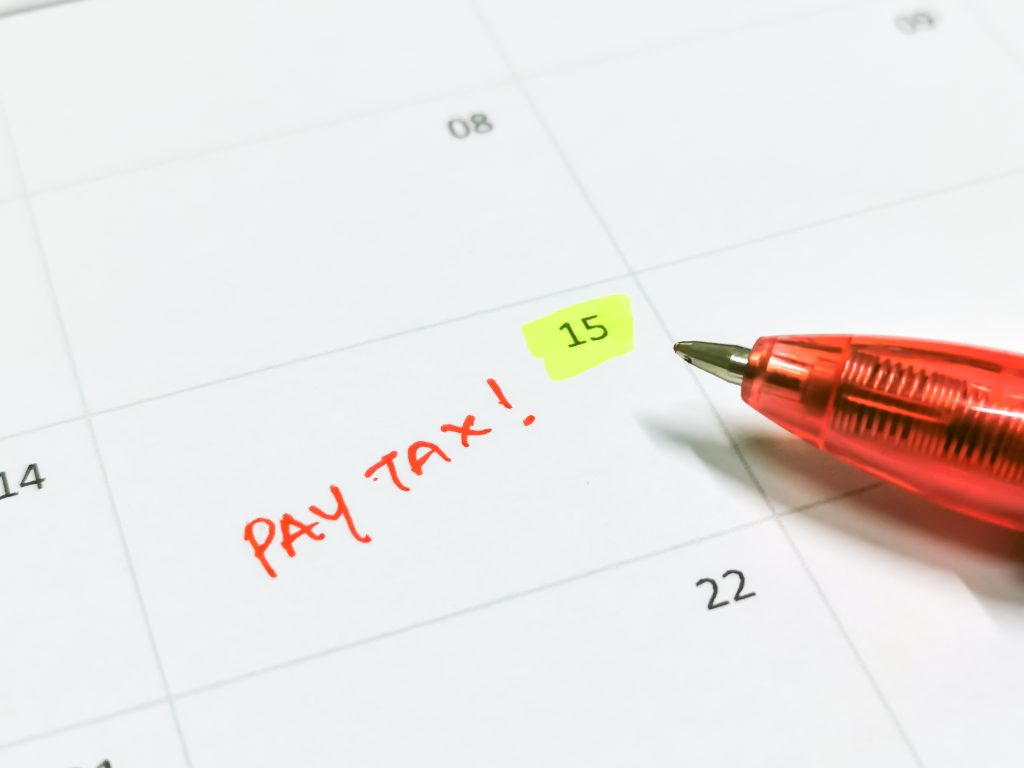
The IRS has specific due dates, and it’s crucial to mark these on your calendar to avoid penalties for late or underpayment.
| Income Period | Due Date |
|---|---|
| January 1 – March 31 | April 15, 2025 |
| April 1 – May 31 | June 16, 2025 |
| June 1 – August 31 | September 15, 2025 |
| September 1 – December 31 | January 15, 2026 |
Penalties for Underpayment or Late Payment
The IRS can charge a penalty if you don’t pay enough tax throughout the year through withholding or estimated payments. The penalty is calculated based on how much you owe and for how long you owed it.
How to Make Your Quarterly Estimated Tax Payments
The IRS offers several convenient ways to pay, including IRS Direct Pay, EFTPS, the IRS2Go app, or payment by mail with vouchers from Form 1040-ES.
Important Considerations and Pro Tips
- Set Aside Money: We recommend setting aside 25-30% of every payment into a separate “tax fund.”
- Work with a Professional: A qualified professional can help you accurately forecast income and identify all deductions.
- Track Meticulously: Good record-keeping is the cornerstone of accurate tax payments.
- Don’t Ignore State Taxes: Most states have their own estimated tax requirements.
Conclusion
Quarterly estimated tax payments are a fundamental part of financial management. By understanding the “why” and “how,” you can take control of your tax obligations. At Jimenez Consulting & Tax Services, we are committed to providing you with the tools and expertise you need to succeed. If you have any questions, do not hesitate to reach out.